It is in 2004 that the old factory Belding Corticelli has been shut down. Since then, it has been abandoned and floors has been waved at the mercy of weather that infiltrate by the roof and windows. Long time ago, there has been manufactured...

Urban and rural photographic exploration
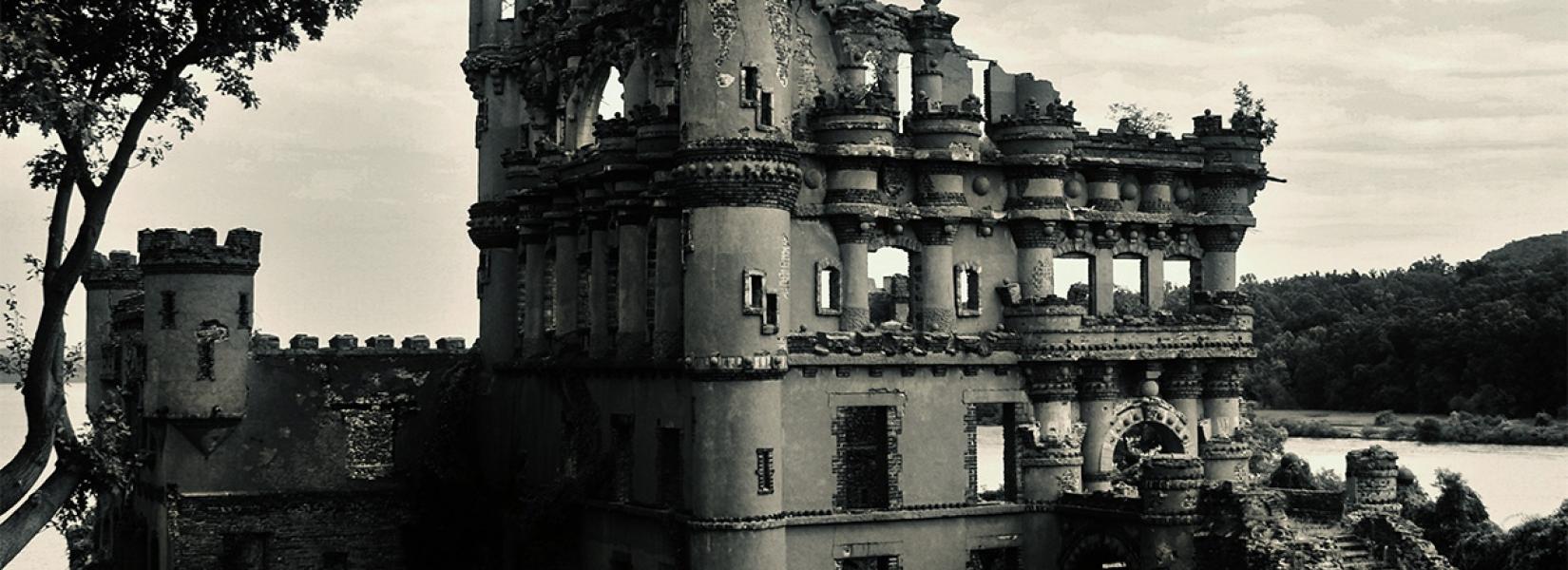
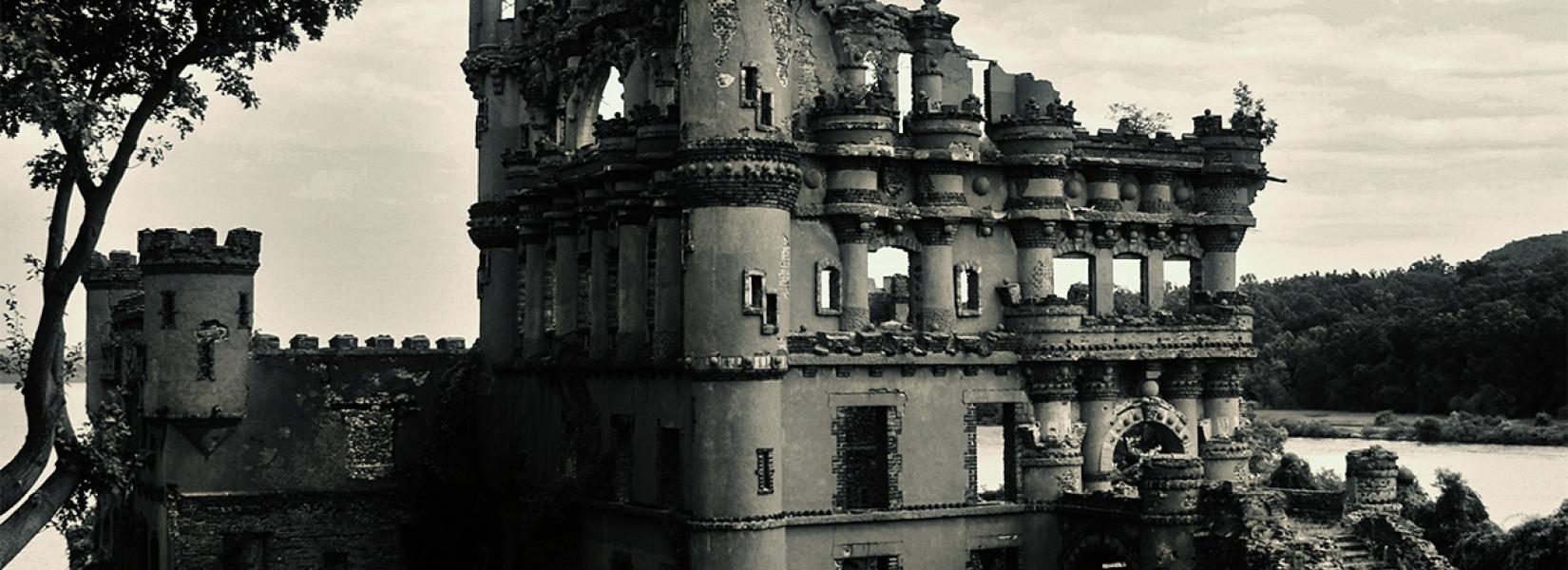
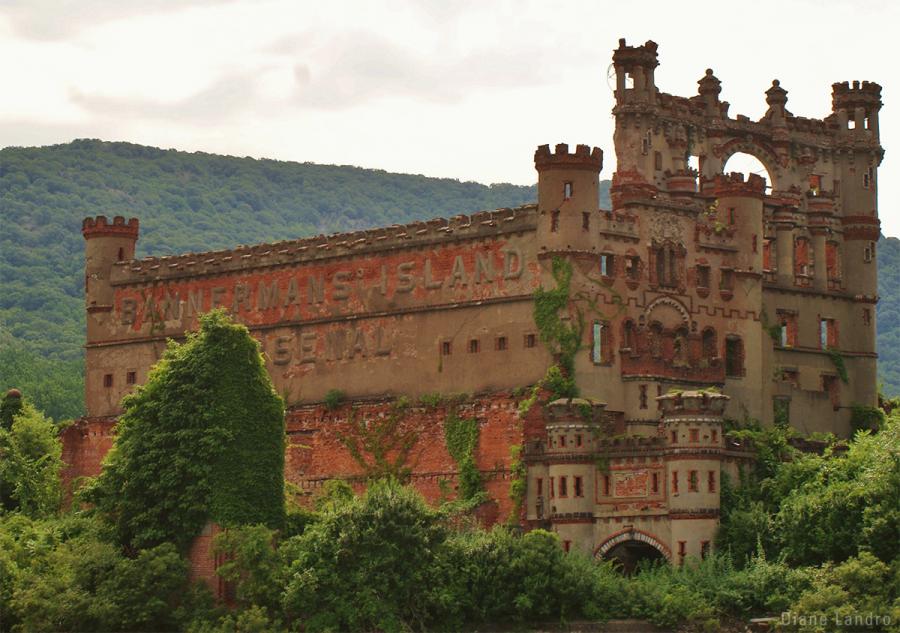
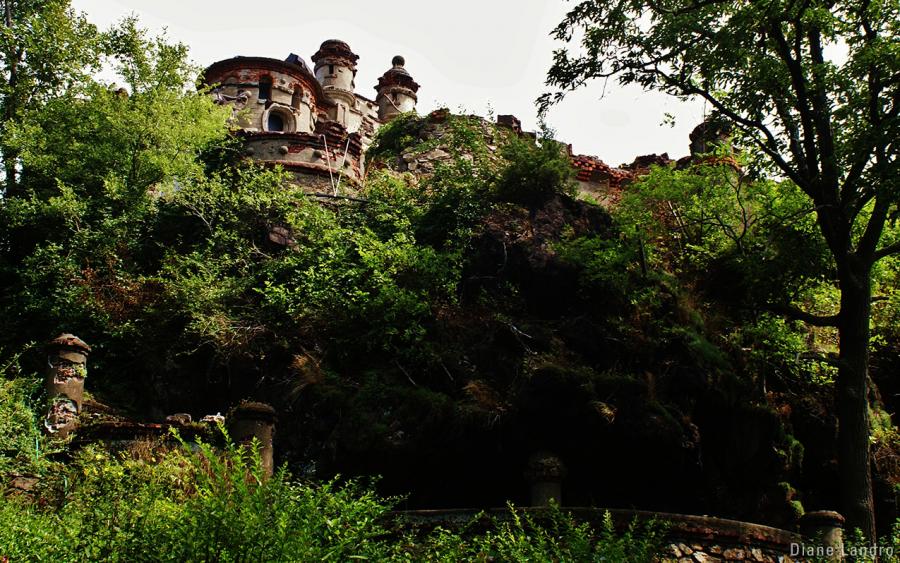
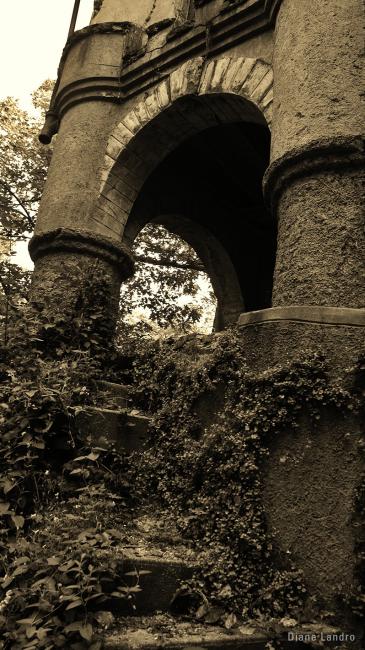
Bannerman's Island
Open to public
Nelsonville (New York), United States
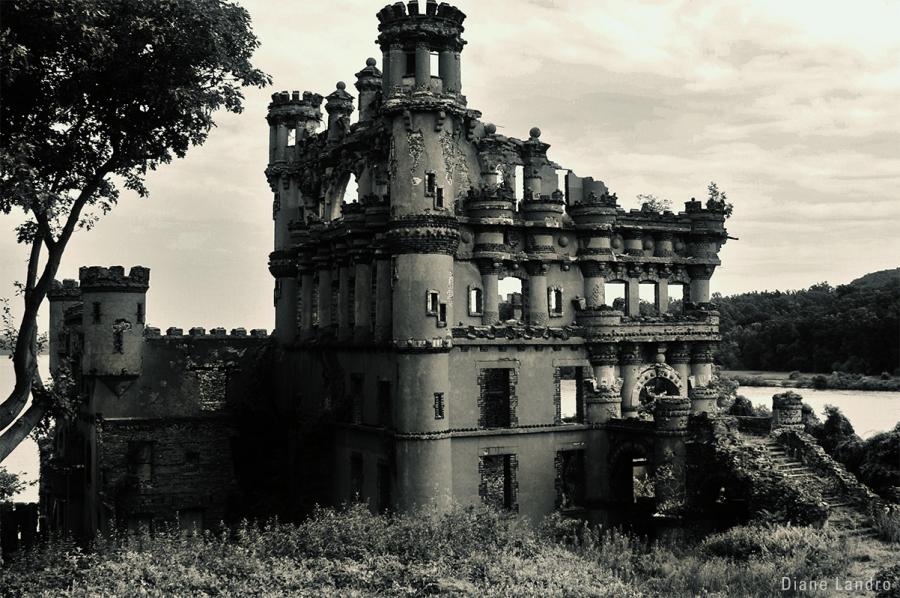
I was asked to photograph it (legally) by the Trust group thats restoring the island,which was a life long dream of mine.
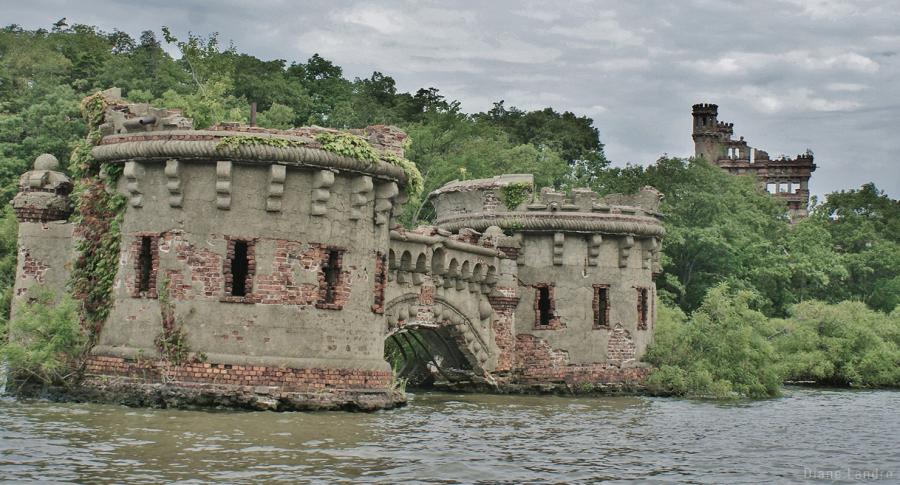
The history of the island began in 1900 when Francis Bannerman purchased the island. Located in the Hudson River near Beacon, New York, he had built the castle as a Arsenal storage, for the weapony company he ran, mostly from New York City.
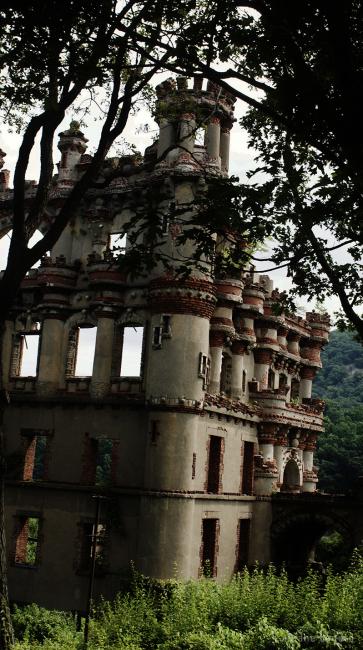
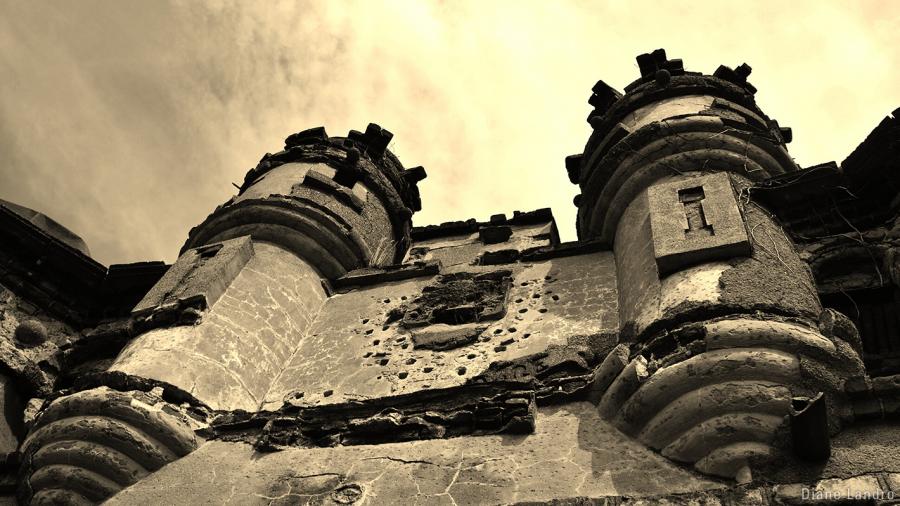
Unfortunately, the construction ceased at Bannerman's death in 1918. On August 1920, 200 tons of shells and powder exploded in an ancillary structure, destroying a portion of the complex. Bannerman's sales of military weapons to civilians declined during the early 20th century as a result of state and federal legislation. After the sinking of the ferryboat Pollepel, which had served the island, in a storm in 1950, the Arsenal and island were essentially left vacant. The island and buildings were bought by New York State in 1967, after the old military merchandise had been removed, and tours of the island were given in 1968. However, on August 8, 1969, fire devastated the Arsenal, and the roofs and floors were destroyed. The island was placed off-limits to the public.
From May to October, the site is now open to public. Available tours consist of guided walking tours on the island with access either by passenger tour boat or as part of a guided kayak excursion. More details on the official website.

Photo gallery
Interested by this place? Here are more pictures of the Bannerman's Island.

Urbex Playground
needs you !
You have information about this place? Better still, you have pictures of this place that you are willing to share? Well, hurry to click this button before I came to kick your ass!
Related content
Mauricie, Quebec (Canada)
Cynically, we could almost say that the factory is as large as the village in which it is located. You should know that we are far away in the countryside, it that kind of place where everybody know each other by his first name. At first glance,...
Montréal, Quebec (Canada)
A true emblem of the Old Port of Montreal, it is difficult to miss the Silo # 5, a gigantic concrete structure south of McGill Street. The complex consists of 206 silos and an amalgam of buildings built over a period of more than fifty years,...
Montréal, Quebec (Canada)
Abandoned since December 1993, the former incinerator des Carrières, known as the incinerator # 3 is now partly used as a warehouse by the City of Montreal. It is also one of the few places where there have power in a portion of the building....


About Urbex playground
First of all, Urbex Playground is about urban and rural photography lovers. It is the respect of the places we have visited and to whom we have a great admiration. Of its contents, Urbex Playground wishes to preserve the memory of these abandoned, destroyed or dilapidated places who have made the glory of our fathers and which today we have, alas, not enough compassion.
We are not vandals or people necessarily involved in the preservation of these places. We do not pretend to believe that our pictures will change anything in the future of these churches, factories, homes and other abandoned buildings. We're just passionate about the image in the perpetual quest for new photographic challenges.
Urbex Playground is not a photo club, any more than we are touristic guides for these forbidden places. Moreover, in any case, Urbex Playground do not invites you to visit these places without the consent of its owners. These places are dangerous and by entering into these places, legal actions can be taken against you.
However, if you have pictures or information about any abandoned places, do not hesitate to contact us. We will be glad to publish them on the site, including your credit with your name and your website. Like this, our visitors will be able to visite your own website. Do not hesitate to contact us if you have any questions.
Urbex playground is social
Follow us on the following social network. Make sure also to visit these amazing websites by some of our members.
© 2018 Urbex Playground is a creation of Jarold & go. All rights reserved.