
Built in 1954, the Dickson incinerator was, at the time, the most modern one in North America. It was built to replace these old incinerators where horses were used for harvesting waste.
In the 1920s, the city of Montreal was struggling...

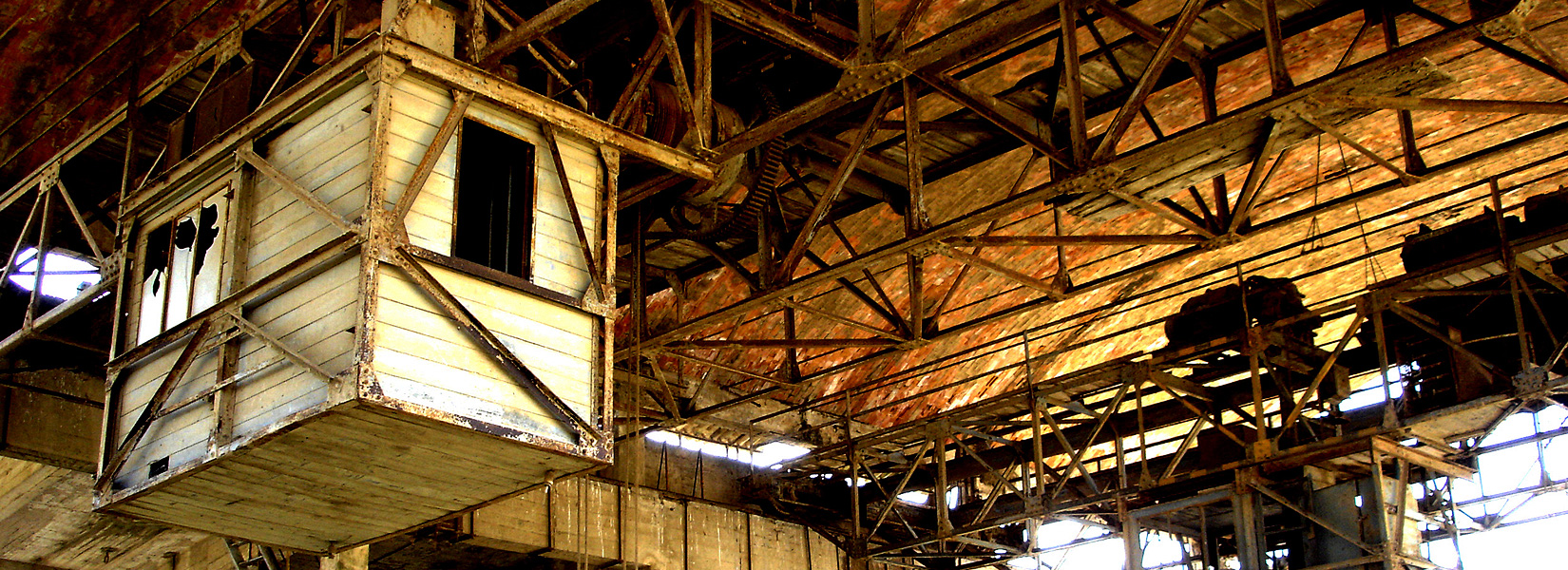
When I was a kid, I often traveled with my parents and my brothers in Los Santos, the village where I was born. Each time when we approached, my father used to say: "Beware, I will give a penny to the first one who will see the smoke of the plant." That was until 1973 before the closure of the factory, ie, seventeen years after its inauguration.
The sole purpose of its creation in 1956 was to provide cement to all work to improve the region's infrastructure such as dams, roads, construction of dozens of new villages. This project was called the Badajoz plan.
This factory employed over four hundred workers and has produced over two hundred thousand tons of cement per year. Nevertheless, the factory has been closed in 1973. It is now abandoned, since 40 years.

Interested by this place? Here are more pictures of the abandoned cement factory of Los Santos.


You have information about this place? Better still, you have pictures of this place that you are willing to share? Well, hurry to click this button before I came to kick your ass!

Built in 1954, the Dickson incinerator was, at the time, the most modern one in North America. It was built to replace these old incinerators where horses were used for harvesting waste.
In the 1920s, the city of Montreal was struggling...
A true emblem of the Old Port of Montreal, it is difficult to miss the Silo # 5, a gigantic concrete structure south of McGill Street. The complex consists of 206 silos and an amalgam of buildings built over a period of more than fifty years,...

The plant itself is definitively not as great at we saw in other places. Located in the heart of Pointe-Saint-Charles neighborhood of Montreal, this two storey building has no longer the cachet of its heyday. While neighboring buildings are...

It's over 92 years of industrial history that ended in 2004 when the Spexel factory was closed down. The story of this plant start in 1912 when is built the paper mill, which took the name of Howard Smith Paper Mill. Over the following years, the...


First of all, Urbex Playground is about urban and rural photography lovers. It is the respect of the places we have visited and to whom we have a great admiration. Of its contents, Urbex Playground wishes to preserve the memory of these abandoned, destroyed or dilapidated places who have made the glory of our fathers and which today we have, alas, not enough compassion.
We are not vandals or people necessarily involved in the preservation of these places. We do not pretend to believe that our pictures will change anything in the future of these churches, factories, homes and other abandoned buildings. We're just passionate about the image in the perpetual quest for new photographic challenges.
Urbex Playground is not a photo club, any more than we are touristic guides for these forbidden places. Moreover, in any case, Urbex Playground do not invites you to visit these places without the consent of its owners. These places are dangerous and by entering into these places, legal actions can be taken against you.
However, if you have pictures or information about any abandoned places, do not hesitate to contact us. We will be glad to publish them on the site, including your credit with your name and your website. Like this, our visitors will be able to visite your own website. Do not hesitate to contact us if you have any questions.
Follow us on the following social network. Make sure also to visit these amazing websites by some of our members.
© 2018 Urbex Playground is a creation of Jarold & go. All rights reserved.