Located on the banks of the Canal Lachine, the old Cie de recyclage de papier de Montréal inc. factory have been destroyed in part since 2009. Today, there are only the old building located behind the front store who is still there.
When...

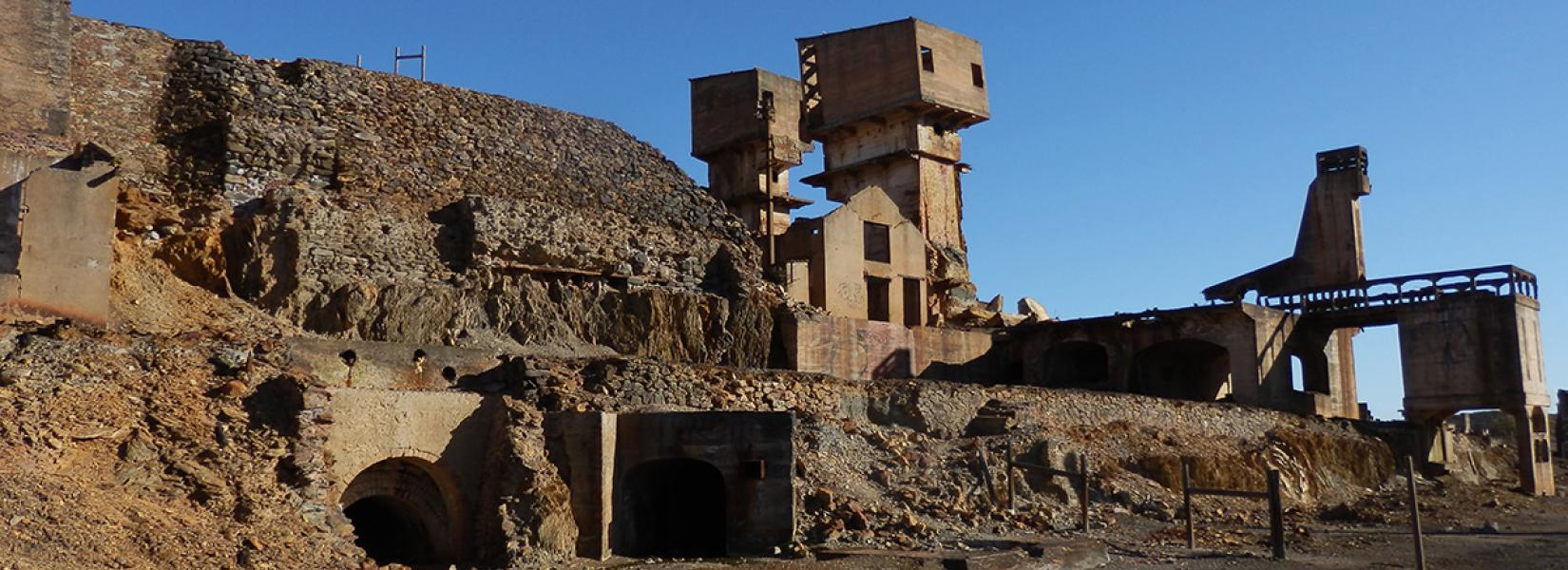
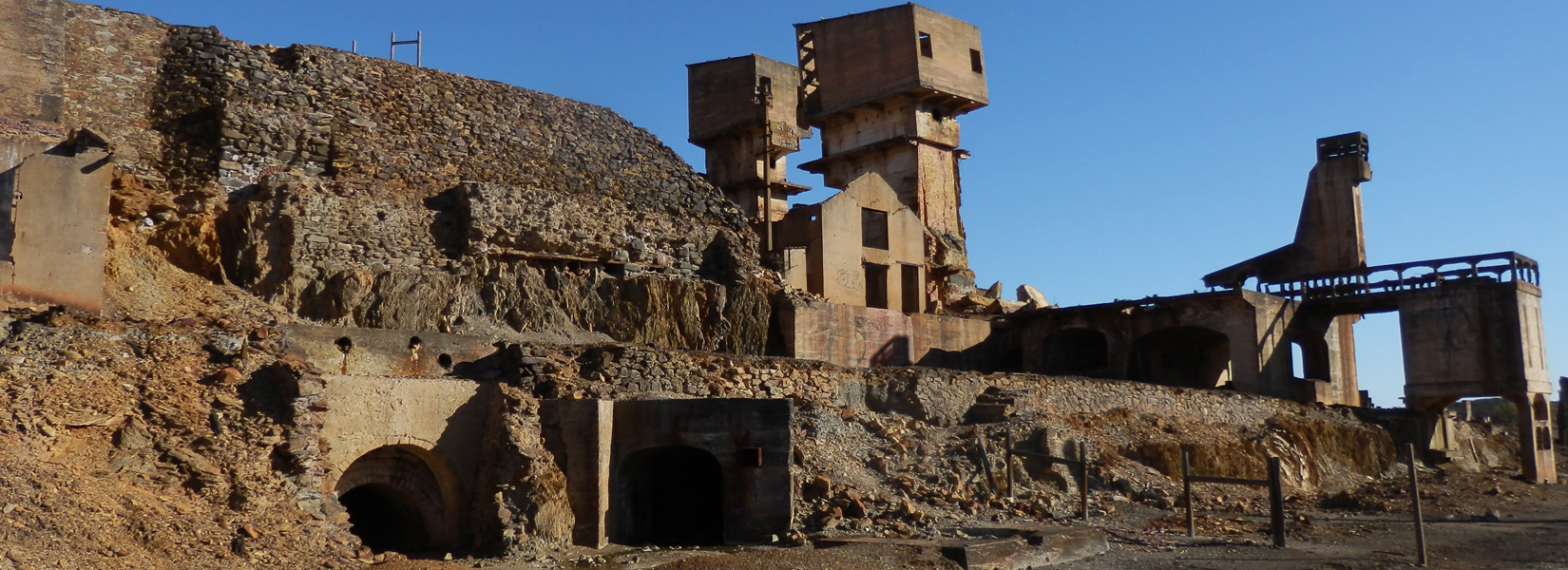
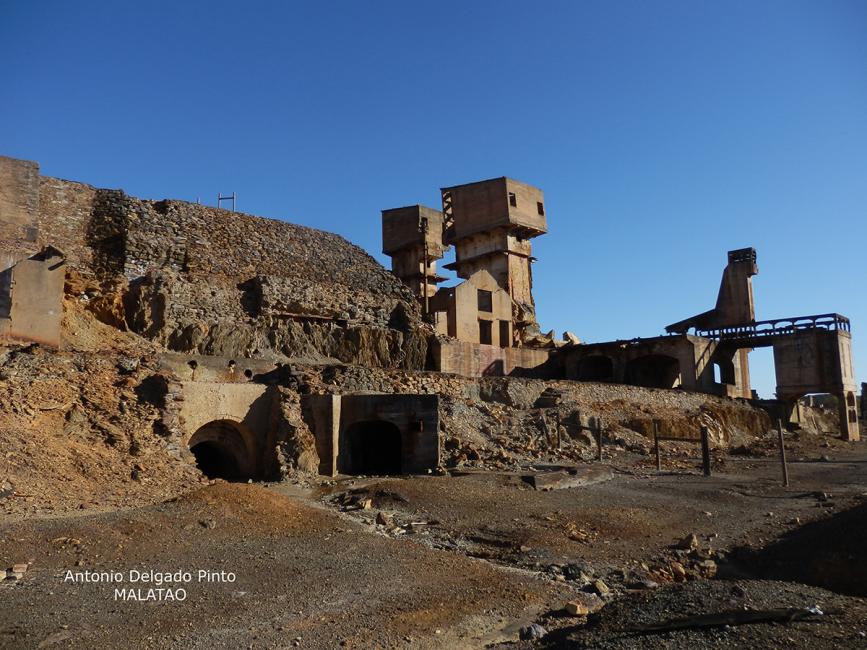
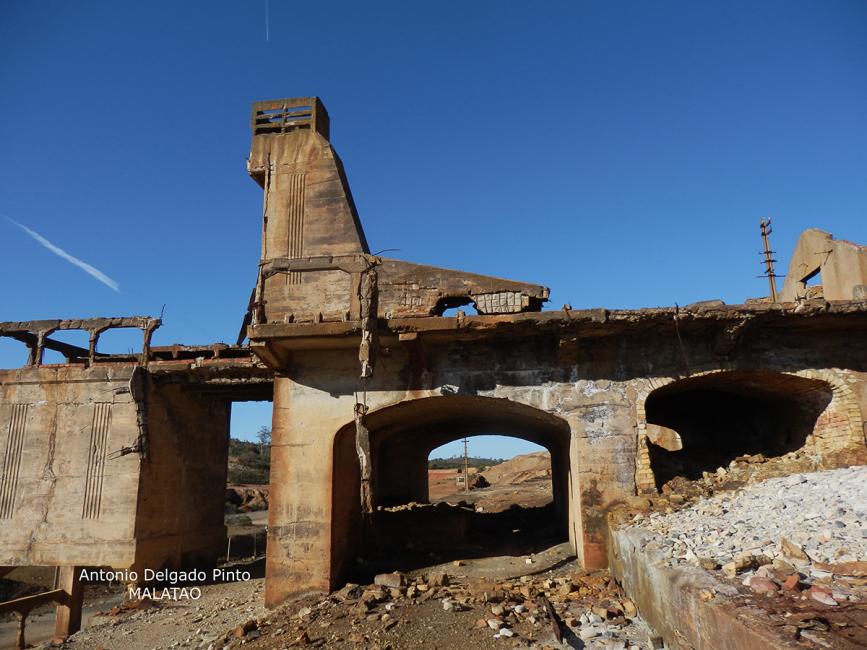
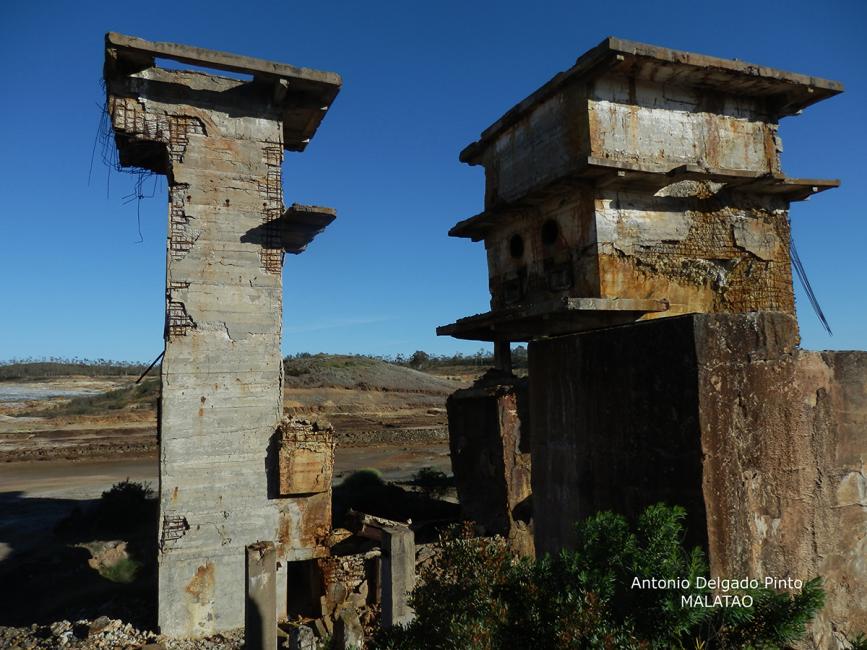
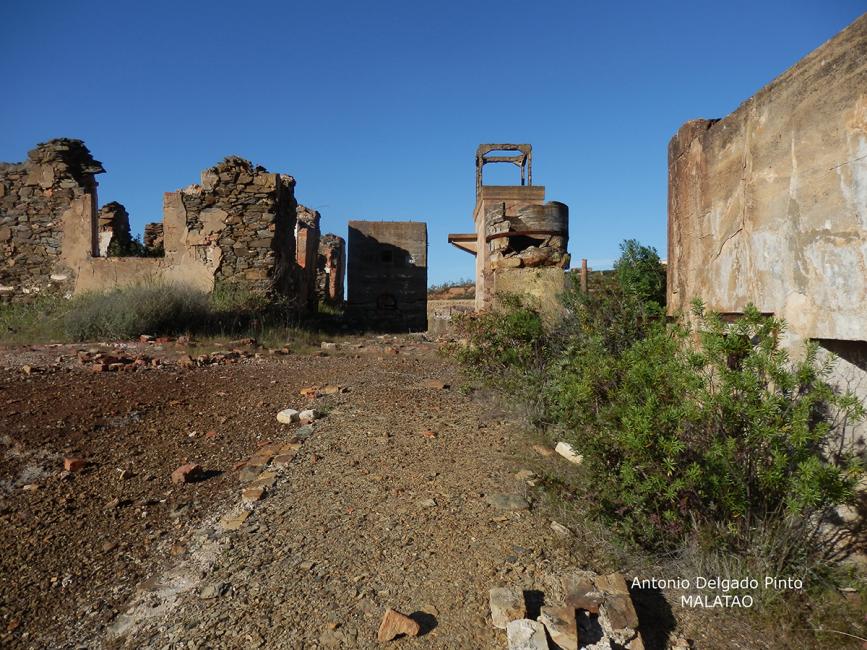
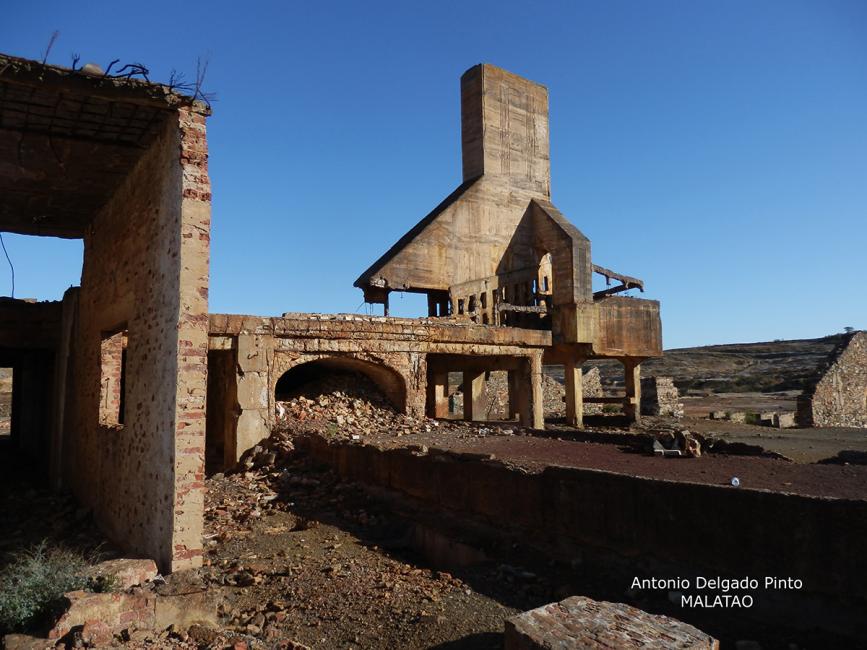
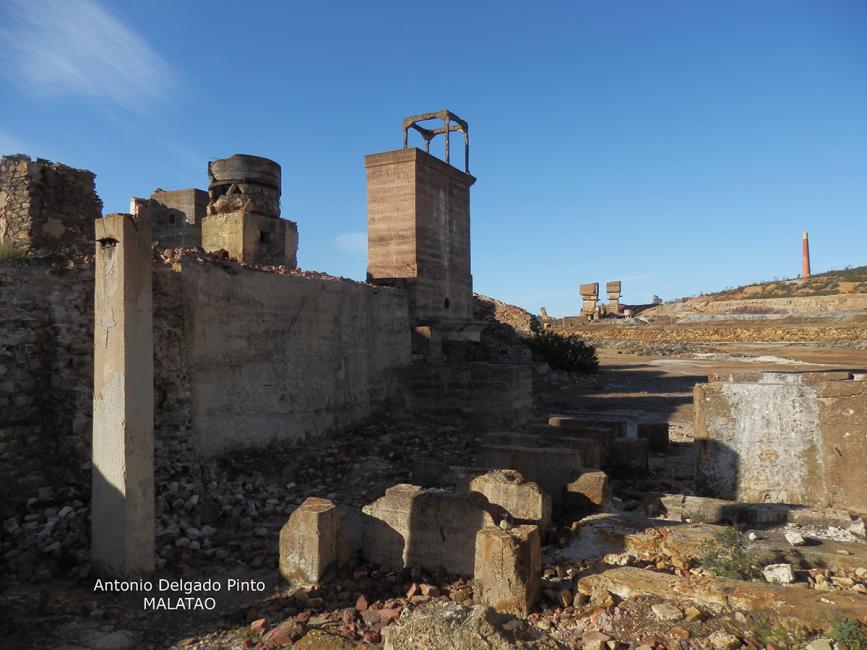
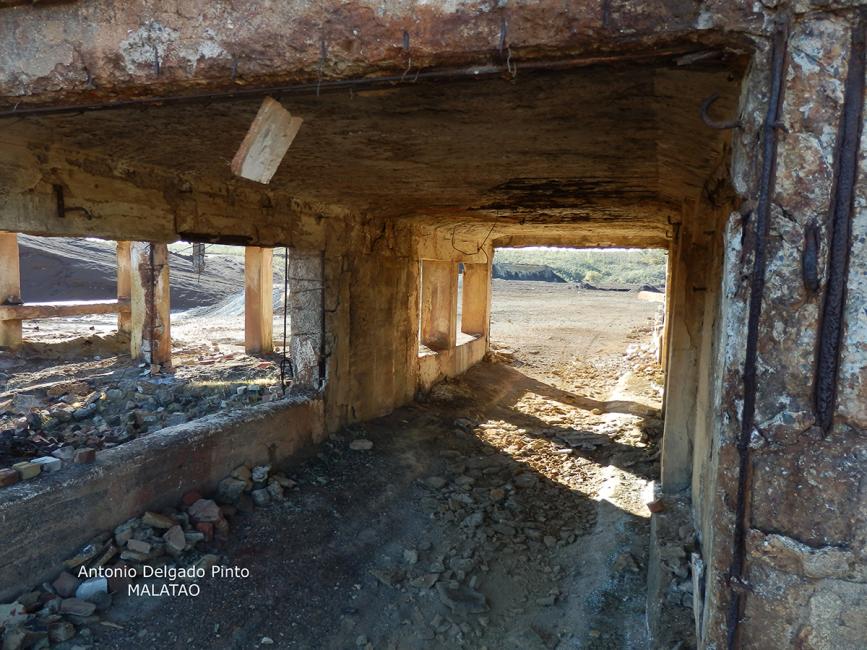
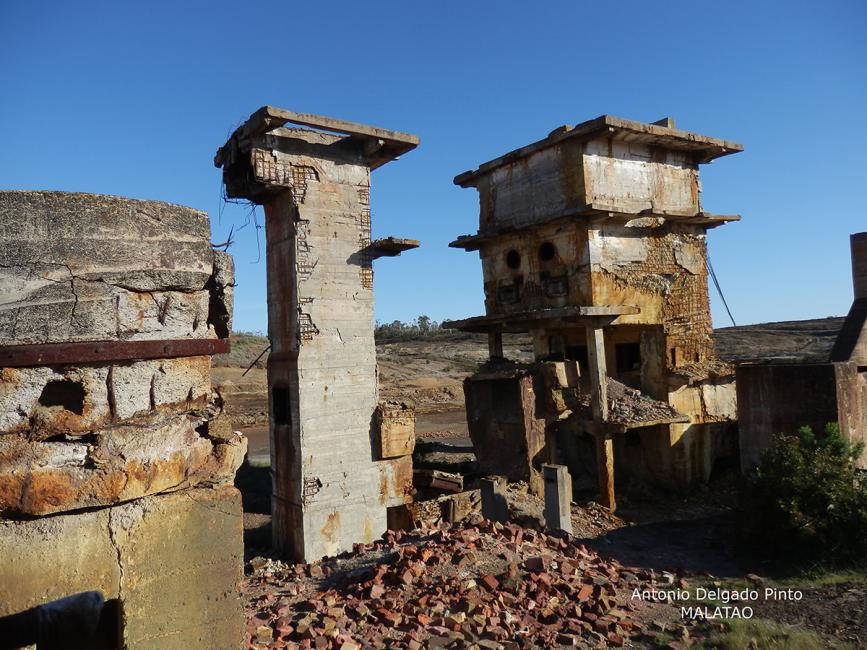
Located in São Domingos (province of Alentejo) south of Lisbon, capital of Portugal, the mine of Achada do Gamo is an abandoned open pit mine. Located in the heart of the Iberian Pyrite Belt, which extends from southern Portugal to Spain, the region of the mine consists of the outcropping volcanic and sedimentary rocks that vary in age from 542 to 251 million years.
The history of mining in the area dates back over 4300 years when Phoenicians and Carthaginians already harvested copper during the Chalcolithic period (Copper Age).
It will nevertheless expect the ancient Romans who intensified the production of copper on a large scale. For nearly 400 years, they exploit a mine of copper and pyrite. At this time, the mines could reach a depth of over 40 meters.
The industrial revolution modernize extraction techniques and a British company called Barry Mason took control of the São Domingos mine. They create the Achada do Gamo mine around 1858 and it will continue its operation until 1966, when it closed due to ore depletion. With its intensive operations, and hundred years later at its closure, the open pit mine was a depth of 120 meters and a perimeter of approximately 2 km. It is calculated that all the periods of mining resulted in the production of 25 Mt, and mine waste material in the area is estimated at several hundred thousand tons. In this context, important environmental problems are associated, which are visible within an area around 50 km2.

Interested by this place? Here are more pictures of la mine abandonnée d'Achada do Gamo .



You have information about this place? Better still, you have pictures of this place that you are willing to share? Well, hurry to click this button before I came to kick your ass!
Located on the banks of the Canal Lachine, the old Cie de recyclage de papier de Montréal inc. factory have been destroyed in part since 2009. Today, there are only the old building located behind the front store who is still there.
When...
It is in 2004 that the old factory Belding Corticelli has been shut down. Since then, it has been abandoned and floors has been waved at the mercy of weather that infiltrate by the roof and windows. Long time ago, there has been manufactured...
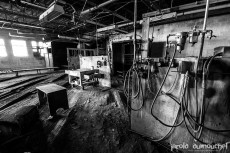
Cynically, we could almost say that the factory is as large as the village in which it is located. You should know that we are far away in the countryside, it that kind of place where everybody know each other by his first name. At first glance,...
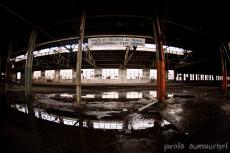
Victim of the globalization of markets, the history of Stelfil Ltd. has suddenly stopped on March 28, 2008 for the factory and its hundred employees. The company has been decorated in 2002 in the Great manufacturing company category by the...


First of all, Urbex Playground is about urban and rural photography lovers. It is the respect of the places we have visited and to whom we have a great admiration. Of its contents, Urbex Playground wishes to preserve the memory of these abandoned, destroyed or dilapidated places who have made the glory of our fathers and which today we have, alas, not enough compassion.
We are not vandals or people necessarily involved in the preservation of these places. We do not pretend to believe that our pictures will change anything in the future of these churches, factories, homes and other abandoned buildings. We're just passionate about the image in the perpetual quest for new photographic challenges.
Urbex Playground is not a photo club, any more than we are touristic guides for these forbidden places. Moreover, in any case, Urbex Playground do not invites you to visit these places without the consent of its owners. These places are dangerous and by entering into these places, legal actions can be taken against you.
However, if you have pictures or information about any abandoned places, do not hesitate to contact us. We will be glad to publish them on the site, including your credit with your name and your website. Like this, our visitors will be able to visite your own website. Do not hesitate to contact us if you have any questions.
Follow us on the following social network. Make sure also to visit these amazing websites by some of our members.
© 2018 Urbex Playground is a creation of Jarold & go. All rights reserved.